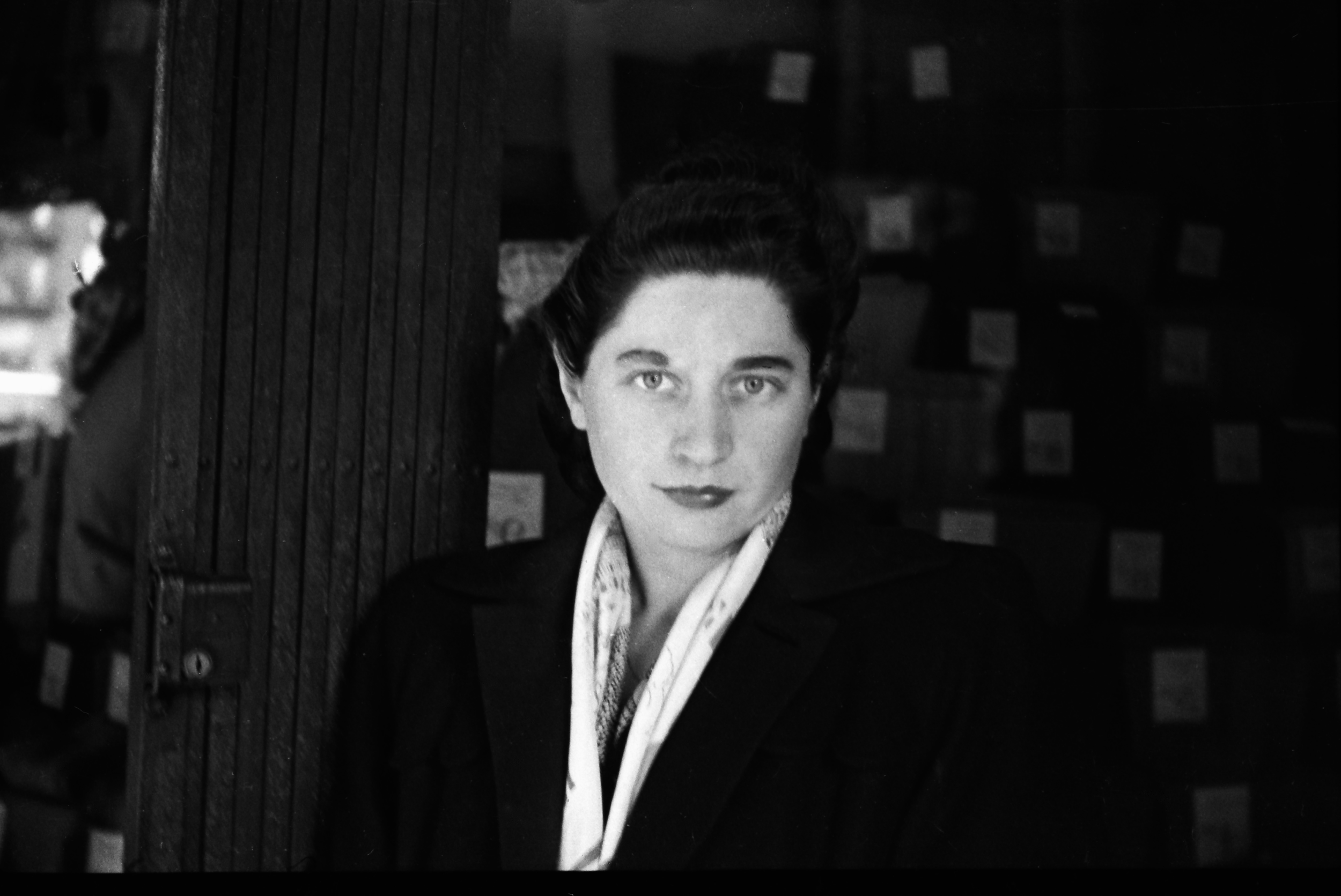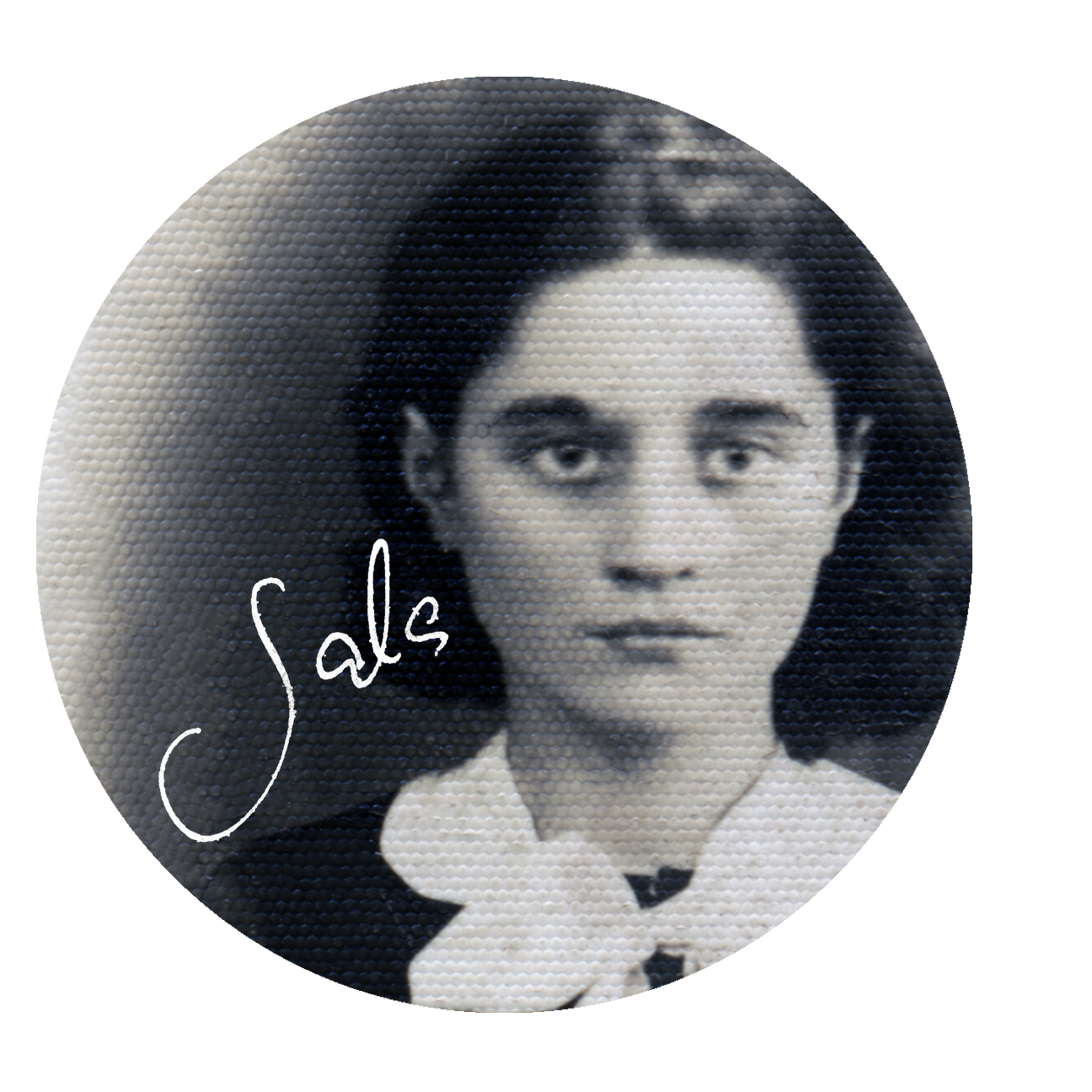


Intimate conversations with Sala in her final decades ask us to examine the inner resources of a woman who survived the Nazis, yet who chose never to let that experience define her.
In 1940, Sala was a vivacious Jewish teenager whose life was upended by Germany’s invasion of Poland. Enslaved for five years in seven labor camps, Sala saved hundreds of letters from family and friends. After the war, as a young bride in New York City, she rebuilt her life, taught herself English and raised three children.
A sixteen-year-old girl went into the Holocaust alone. Stripped of her identity by the Nazi system, she nevertheless fostered a sense of self. Sala emerged with her capacity to love, intact. Connection with others was her lifelong salvation.